Alamo CA Home Styles and Lot Types to Know
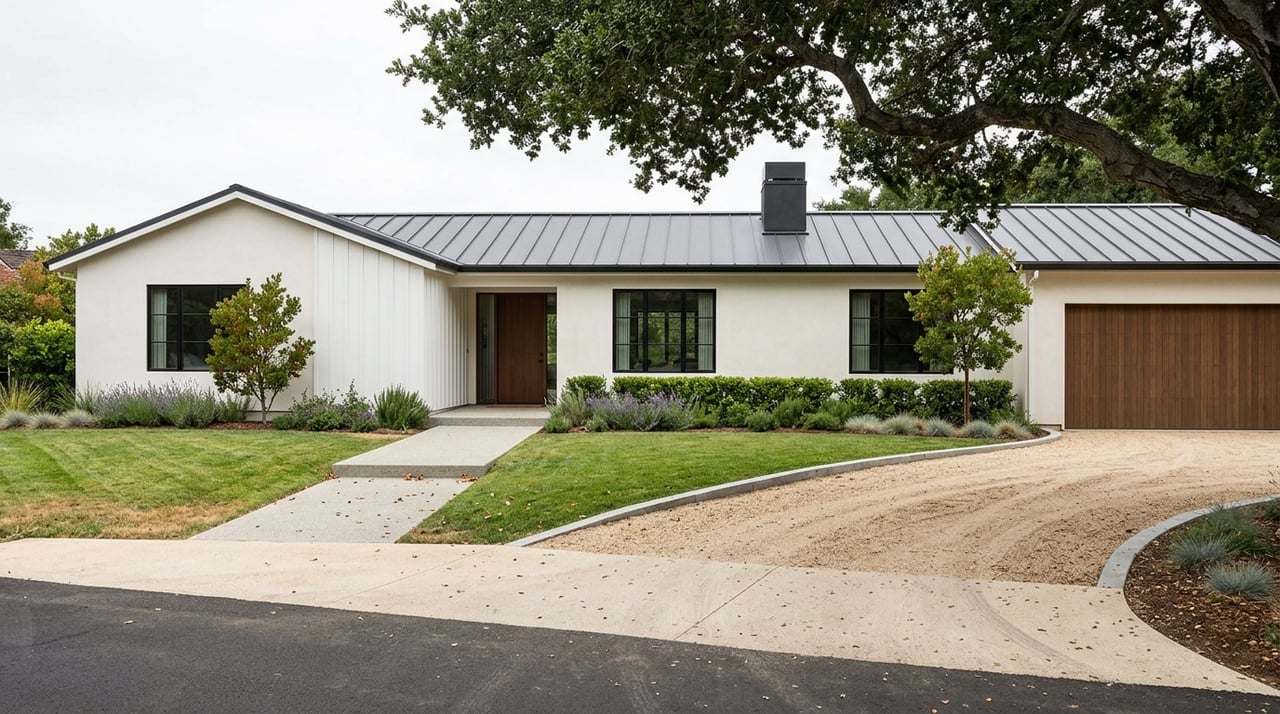
If you are shopping in Alamo, one of the first things you notice is that homes do not fit into one simple box. A property here can feel like a classic ranch home on a generous lot, a hillside estate with more separation, or a parcel near the core where the surrounding housing pattern changes quickly. That can make your search exciting, but it also means the details matter. In this guide, you will learn how Alamo home styles and lot types typically differ, what those differences can mean for daily life and future plans, and where to focus your research before you buy or sell. Let’s dive in.
Alamo is an unincorporated Contra Costa County community, so property research starts with county resources rather than city rules. The county’s planning framework guides development in unincorporated areas, and official tools like CCMAP and ePermits are central for zoning, map layers, and permit history.
That county-level structure matters because Alamo is intentionally low-density and highly parcel-specific. Planning materials describe the area as being known for wooded hillsides, parks, and a strong sense of community, which helps explain why homes here often come with more land, more privacy, and more variation from one block to the next.
The clearest official description of Alamo’s housing mix is simple: the area is mostly single-family ranch-style homes on relatively large lots, with some multifamily housing along Danville Boulevard south of Stone Valley Road and estates on larger rural tracts. In practical terms, detached homes set the tone for much of the market.
That broad picture is supported by housing data. About 93.2% of Alamo’s housing stock is detached single-family, and 91.8% of occupied homes are owner-occupied. For you as a buyer or seller, that often means a market where lot size, privacy, condition, and setting can carry just as much weight as bedroom count or interior square footage.
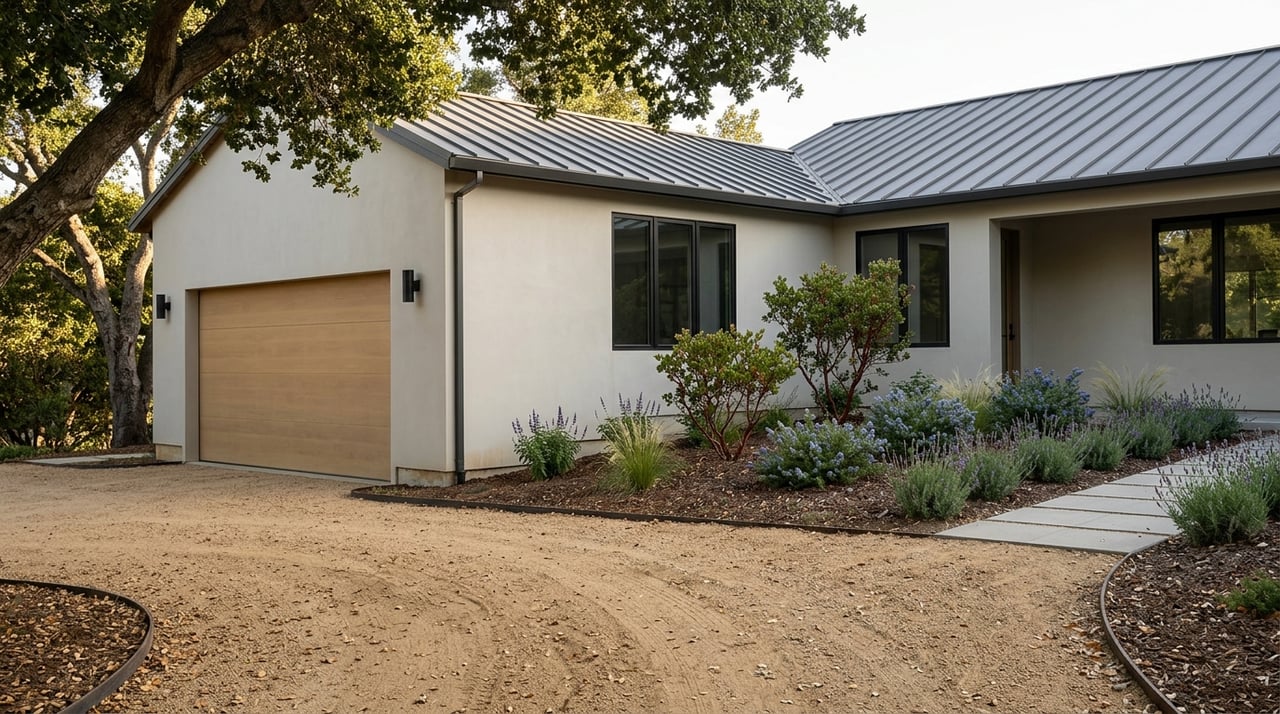
If you want to understand Alamo home styles, start with the ranch home. County planning materials specifically identify ranch-style homes as the dominant pattern, especially in the more established single-family areas.
Many of these homes date to the second half of the 20th century, and Alamo’s median construction year is 1978. That means you will often see homes with practical single-level layouts, generous setbacks, and larger yards, but also homes that may need cosmetic updates, systems review, or a closer look at past additions.
In Alamo, a ranch home is not always untouched or original. Some have been extensively remodeled, while others still reflect older finishes or layouts.
That creates a wide range of opportunities:
This is where a more technical review can make a real difference. In Alamo, the structure is only part of the story. The lot often shapes the real opportunity.
A large lot in Alamo can mean very different things depending on the parcel. Some lots feel like classic suburban properties with more yard space and privacy than you would typically find in denser East Bay neighborhoods. Others function more like estate parcels or rural tracts with greater separation, views, and land area.
Contra Costa County’s residential zoning ladder helps explain that difference. Single-family districts include R-20, R-40, R-65, and R-100, which generally correspond to 20,000, 40,000, 65,000, and 100,000 square feet per dwelling unit. Even if you never see those labels featured in a listing, they help explain why one property feels like a large-lot neighborhood home while another feels more like a private compound.
In many parts of Alamo, the large-lot experience is about usable outdoor space, setbacks, and breathing room between homes. These parcels often appeal to buyers who want more privacy without taking on the complexity of a much more rural site.
For sellers, these homes often attract buyers who care about both the house and the land. A well-maintained yard, thoughtful outdoor living areas, and clear documentation of improvements can carry real weight in this part of the market.
On the larger end of the spectrum, some Alamo properties sit on tracts that feel more estate-like or rural. These lots may offer more separation from neighboring homes and a stronger connection to views, open space, or natural features.
With those benefits can come more due diligence. The larger the parcel, the more important it is to confirm zoning, site history, grading issues, drainage considerations, and how much of the land is truly usable for your goals.
Functionally, hillside lots deserve to be treated as a separate category in Alamo. County slope and hillside rules are designed to minimize grading, retain trees and vegetation, and keep steeper land in a more natural state when slopes are high.
That can affect what you can do with the property over time. A lot may look expansive on paper but include slope, tree, or grading limitations that shape renovation plans, outdoor improvements, or expansion options.
The local community profile identifies landslides, flooding, seismic hazards, and wildfire as vulnerabilities in the area. That does not mean every hillside property is a problem, but it does mean these parcels usually call for more focused inspections and more careful planning.
If you are considering a hillside home, pay close attention to:
For many buyers, hillside properties offer privacy, scenery, and a more distinctive setting. The key is understanding the tradeoffs before you fall in love with the view.
Alamo’s housing pattern is not uniform from edge to edge. Along Danville Boulevard and near the downtown core, county planning allows for more mixed-use and higher-density residential development than in surrounding single-family areas.
The community profile also states that multiple-family units should generally be located within one mile of Downtown Alamo’s commercial core. So if you are comparing properties close to the center, lot type and surrounding housing context can shift quickly over a short distance.
For you, that means location inside Alamo is not just about commute or convenience. It can also influence the immediate development pattern, neighborhood feel, and long-term property context.
Because Alamo’s median construction year is 1978, many homes are old enough to deserve careful review beyond surface-level presentation. A polished kitchen or staged living room does not tell you whether prior work was permitted or whether older systems have been updated in a meaningful way.
Contra Costa County’s ePermits system shows permit and application history from January 1, 1980 to the present, while construction plans may require a separate records request. That record trail can be especially important in Alamo, where value is often tied to additions, remodels, grading, and site improvements.
When you are evaluating an older home, it helps to look beyond finishes and ask practical questions such as:
On many single-family lots, detached ADUs can reach 1,000 square feet on lots of 12,000 square feet or larger, or in agricultural districts, subject to county approval and utility feasibility. That may not matter to every buyer, but on larger Alamo lots, it can be an important part of the property’s long-term flexibility.
Some buyers come to Alamo looking for space that may support horses or other animal uses. Larger lots can make that more plausible, but parcel size alone does not answer the question.
County code allows certain animal-keeping uses in many single-family districts, including R-20, R-40, R-65, and R-100. Still, the safest approach is to verify the parcel’s actual zoning, allowed uses, permits, and site history before making assumptions.
This is a good example of how Alamo rewards careful, property-level analysis. Two large parcels may look similar in photos, but their actual use options can be very different.
In Alamo, your budget often buys a detached single-family home with more land and privacy than you may find in denser suburban settings. What it does not always buy is a newer, more compact product built to maximize efficiency over lot size.
That distinction matters when you set expectations. In this market, buyers are often choosing among setting, lot usability, condition, privacy, and renovation potential, not just square footage and finish level.
For sellers, that means your property is rarely judged on the house alone. Buyers are often measuring how the home, lot, and future possibilities fit together as one package.
When you compare properties in Alamo, it helps to think in layers rather than labels. The home style gives you a starting point, but the lot type often tells you more about how the property will actually live.
A smart review usually includes:
This kind of review is especially useful in a market like Alamo, where no two parcels feel exactly alike. A consultative approach can help you avoid broad assumptions and focus on the details that really affect value.
If you are buying or selling in Alamo, the right strategy starts with understanding not just the house, but the land under it and the rules around it. For tailored guidance on Alamo homes, lot types, and how to read property potential with more clarity, reach out to Black Rose Real Estate.
Stay up to date on the latest real estate trends.
You’ve got questions and we can’t wait to answer them.