Living in Walnut Creek: Downtown, Trails, and Daily Life
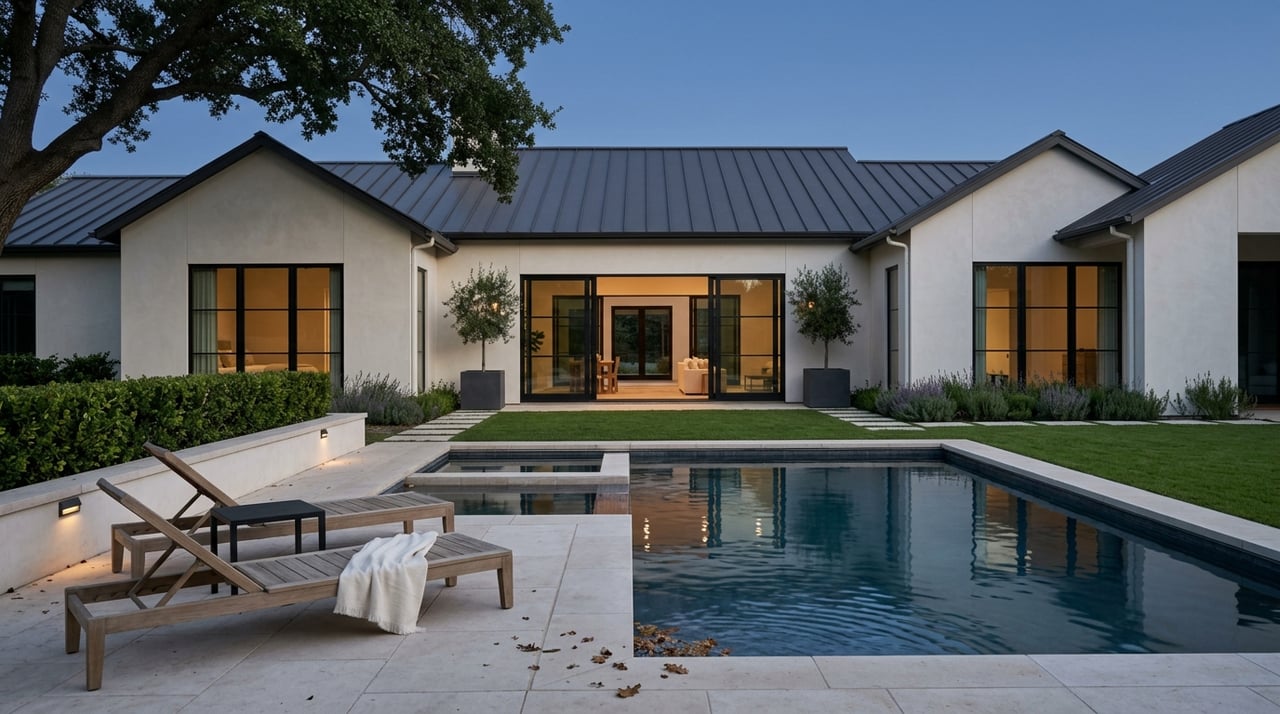
Curious what day-to-day life in Walnut Creek actually feels like? If you are thinking about a move, you probably want more than a map and a home search. You want to know how the city functions, what the pace is like, and whether it fits the way you want to live. This guide will walk you through Walnut Creek’s overall vibe, downtown energy, outdoor access, transportation, and residential feel so you can picture life here with more confidence. Let’s dive in.
Walnut Creek is a well-established Contra Costa city with a strong residential base and a lively core. The city describes itself as a vibrant place for work, recreation, and downtown activity, and the U.S. Census QuickFacts lists the 2024 population at 70,817.
What stands out is the balance. Walnut Creek does not feel purely suburban or purely urban. Depending on where you are, it can feel walkable and active near downtown, then quieter and more residential as you move outward toward neighborhoods and open space.
Downtown is one of the biggest reasons people are drawn to Walnut Creek. The area includes more than 120 restaurants, along with abundant retail and everyday conveniences that make it easy to grab dinner, run errands, or spend a casual afternoon out.
Broadway Plaza adds another major piece to the downtown experience. With 80 specialty shops and restaurants in an open-air setting, it helps give the city center a complete, all-in-one feel that is not always easy to find in suburban communities.
This is also a downtown that stays active through regular community use. The Walnut Creek Farmers’ Market runs year-round on Sundays from 9 a.m. to 1 p.m. on Locust Street, and it is a short walk from BART. That kind of recurring activity makes the core feel lived-in rather than purely destination-based.
If you like having choices close by, Walnut Creek delivers. Dining, shopping, and basic errands can often happen in the same area, which can make daily life feel more streamlined.
The city also continues to prioritize downtown vitality, outdoor dining, and business support. That matters because it reinforces the idea that downtown is not just a commercial center. It is a central part of how many residents spend their time.
If you drive often, parking is worth understanding. According to the city, downtown parking is in high demand, especially around lunch and dinner, and the city uses pricing and time limits to help keep one or two spaces open on each block.
In real life, that means quick trips can still be manageable, but timing matters. If you are someone who enjoys spontaneous downtown stops, it helps to know the busiest windows ahead of time.
One of Walnut Creek’s most defining lifestyle features is how easy it is to spend time outside. The city’s Open Space division manages more than 3,000 acres across four open-space areas, along with more than seven miles of neighborhood trails.
Shell Ridge and Lime Ridge are especially important for residents who want easy access to trail systems, while Acalanes Ridge and Sugarloaf offer additional hiking and recreation options. These are not just scenic extras. They shape how many people use the city day to day.
Walnut Creek has also preserved surrounding hillsides and ridge lines through long-term planning. That planning history helps explain why open space still feels central to the city’s identity.
In some places, outdoor recreation feels like something you plan for. In Walnut Creek, it can feel more built into your normal week. Casual walks, biking, hiking, dog walking, and equestrian use are all part of the city’s open-space system.
That range is important because it makes the outdoors accessible to different lifestyles. Whether you want a quick trail walk after work or a longer weekend outing, the city supports both.
For many buyers, Walnut Creek’s transportation options are a major plus. The city is served by two BART stations: Walnut Creek BART, which supports downtown and major employment and shopping areas, and Pleasant Hill/Contra Costa Centre BART, which serves northern portions of Walnut Creek.
That transit access gives the city a practical edge for commuters and for anyone who wants flexibility beyond driving. It also supports the city’s identity as a business and arts center within Contra Costa County.
Walnut Creek also offers useful local connections once you are in town. Route 4, the Downtown Trolley, runs seven days a week from Walnut Creek BART with complimentary hop-on, hop-off service to shopping, restaurant, and entertainment destinations downtown.
Route 5 connects Walnut Creek BART with Creekside destinations on weekdays. County Connection provides the broader bus network serving Walnut Creek and central Contra Costa County.
Walkability and bike access are not afterthoughts here. City planning around west and north downtown has focused on making it easier to move between BART, downtown, homes, offices, and retail.
That means transit-oriented living is a real part of Walnut Creek’s structure. If you want a more connected, lower-car lifestyle near the core, there are parts of the city where that is clearly part of the long-term vision.
Walnut Creek does not offer just one kind of living experience. The city’s planning framework shows a mix of areas with different roles, especially around downtown and BART.
West Downtown, for example, combines residential, commercial, and civic uses while preserving the Almond-Shuey neighborhood. North Downtown also has a mixed-use long-range vision that includes homes, offices, retail, and community space.
The result is a city with noticeable variety. Near the core, the experience tends to feel more walkable and mixed-use. Farther out, the environment tends to feel more residential and more connected to open space.
If you are trying to match a home search to your lifestyle, Walnut Creek gives you options. You may prefer the convenience of being closer to downtown activity and BART, or you may be more drawn to quieter residential areas with easier access to trails and hillsides.
That mix is one of the city’s biggest strengths. It lets different types of buyers find a version of Walnut Creek that fits how they want to live.
While Walnut Creek is often defined by lifestyle, a little housing context is helpful. U.S. Census QuickFacts reports a 64.4% owner-occupied housing rate, a median owner-occupied value of $1,057,300, and a median gross rent of $2,680.
Those numbers are best viewed as broad background, not the full story. In practice, your experience will depend on the type of home you want, the part of the city you are targeting, and how you want your daily routine to feel.
Walnut Creek tends to appeal to people who want choices. You can have a downtown with restaurants, shopping, and regular activity, while still being close to trails, hillsides, and quieter residential streets.
It can also work well if transportation matters to you. Between BART, local transit, and planning that supports walkability near the core, the city offers a level of flexibility that many East Bay buyers value.
If you are exploring Walnut Creek, it helps to go beyond price points and square footage. The better question is how you want your mornings, evenings, weekends, and commute to feel. That is usually where the right fit becomes clearer.
If you are weighing a move to Walnut Creek or trying to narrow down which part of the city fits your lifestyle best, Black Rose Real Estate can help you approach the decision with a more tailored, strategic lens.
Stay up to date on the latest real estate trends.
You’ve got questions and we can’t wait to answer them.